
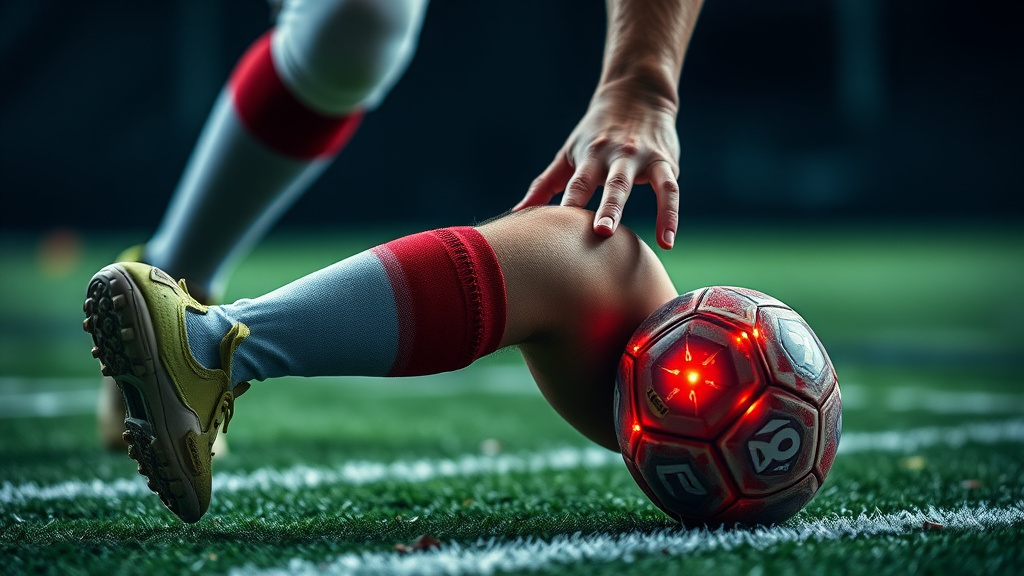
Football has long been synonymous with physical punishment, but the sport is undergoing a revolutionary transformation. Cutting-edge biomechanics, cutting-edge medical imaging, and science-based training methods are fundamentally changing how teams safeguard players. From wearable devices tracking real-time player metrics to tailored prevention initiatives, athletic science is reshaping football’s safety landscape. This article examines how scientific innovation and healthcare advances are decreasing injury occurrences, extending careers, and ultimately improving football safety without diminishing competitive play and competitive spirit.
Advanced Training Techniques and Biomechanical Analysis
Modern football clubs now employ sophisticated biomechanical analysis to detect motion patterns that heighten injury likelihood. High-speed cameras, motion capture systems, and pressure plate technology provide detailed insights into how players build momentum, reduce speed, and change direction. Sports professionals and analysts use this data to create specific training programs that strengthen vulnerable areas and enhance player performance. By understanding the mechanical forces affecting joints and muscles during gameplay, teams can apply corrective training that address individual weaknesses before they progress to major injuries.
Personalized training protocols illustrate a paradigm shift from generic training approaches. Sophisticated data analysis now allow teams to adjust training load distribution, restoration techniques, and injury prevention exercises to each player’s unique physical characteristics and prior injury records. Body-worn trackers monitor measurements like velocity changes, muscle activation patterns, and imbalances in motion continuously during practice and competition. This data-driven approach allows sports medicine teams to act preventatively, adjusting exercise load and recommending preventative interventions to prevent injury onset, significantly reducing time lost to preventable injuries.
Technology Integration in Injury Prevention
Modern football has adopted technological advancement as a key pillar of damage prevention approaches. Advanced sensor systems, AI-powered algorithms, and cloud computing infrastructure now deliver remarkable visibility into biomechanical performance and physical reactions. Teams employ these solutions to detect potential injuries before they develop, enabling early action that protect athletes while optimizing performance outcomes and preserving superiority throughout grueling campaigns.
Portable Wearables and Live Tracking
Wearable technology has revolutionized how teams assess player health during practice and games. GPS trackers, accelerometers, and heart rate monitors deliver coaches and medical staff with continuous data streams revealing workload distribution, activity patterns, and fatigue levels. This immediate data allows prompt changes to training intensity, recovery protocols, and minutes management. Athletes receive personalized feedback about their fitness status, promoting consciousness and compliance with injury prevention guidelines.
Integrating biometric data with AI systems develops prediction systems identifying susceptibility to injury. Machine learning algorithms analyze historical patterns, measuring athlete measurements versus reference points to identify subtle changes suggesting increased risk. This technology produce timely warnings, prompting injury prevention measures ahead of potential injuries. Coaches can modify training loads, change movement patterns, or suggest additional recovery measures drawing from data-driven recommendations, substantially decreasing injury incidence rates.
- GPS tracking measures distance, speed, and acceleration patterns
- Heart rate variability shows recovery and fatigue levels reliably
- Inertial measurement units detect irregular movement patterns and biomechanics
- Muscle oxygen sensors measure oxygen levels and metabolic stress
- Pressure-sensitive insoles evaluate walking mechanics and force impact
Medical Protocols and Rehabilitation Approaches
Modern football programs have implemented comprehensive medical protocols that prioritize athlete safety at every stage of the season. These standardized procedures include pre-season baseline evaluations, concussion protocols, and real-time injury assessment on the sidelines. Medical teams now employ advanced imaging systems such as MRI and ultrasound for precise diagnostics, enabling quicker and more precise treatment decisions. Collaborative approaches between physicians, athletic trainers, and strength coaches ensure that recovery strategies are adapted to individual player needs, substantially lowering re-injury rates and expediting return-to-play timelines.
Recovery strategies have advanced considerably with the adoption of sports science research into everyday training programs. Teams now utilize research-supported approaches including ice treatment, compression treatment, and specific recovery exercises designed to restore function and reduce long-term injury risk. Nutrition protocols, sleep optimization, and mental health support have become key parts of full-scale recovery initiatives. Additionally, training load management assess workout intensity and load, allowing sports medicine teams to modify training loads in real time and prevent overuse injuries that frequently affect professional athletes throughout intense seasonal schedules.
