
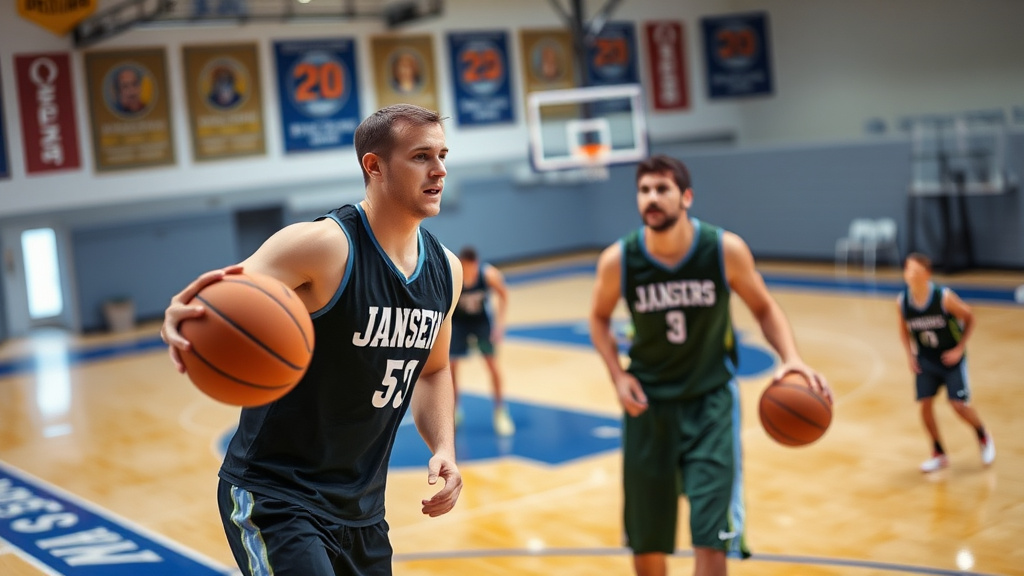
College basketball has long struggled with injuries that could be prevented that bench star players and derail championship dreams. Now, top programs are overhauling their approach to athlete wellness by introducing advanced training techniques intended to strengthen vulnerable joints, improve biomechanics, and enhance recovery protocols. From sophisticated data analysis to targeted conditioning programs, these innovative strategies are proving remarkably effective at reducing ACL tears, ankle sprains, and stress fractures. Discover how top-tier college basketball teams are transforming injury prevention and preserving roster health throughout grueling seasons.
Contemporary Injury Avoidance Methods in Collegiate Basketball
College basketball programs are substantially reshaping their approach to athlete safety through scientifically-grounded injury prevention protocols. These current methods integrate biomechanics assessment, strength conditioning, and movement pattern assessment to recognize and mitigate vulnerabilities before they result in significant damage. By blending conventional approaches with innovative technology, athletic departments now have unprecedented insight into athlete wellness. Coaches and sports medicine professionals work in partnership to develop individualized programs that target each athlete’s specific risk factors, ensuring comprehensive protection throughout the rigorous season.
The adoption of advanced training systems has generated notable outcomes across collegiate basketball. Programs implementing these strategies report significant reductions in common injuries such as anterior cruciate ligament injuries, ankle injuries, and overuse fractures. State-of-the-art monitoring tools measure training volume and recovery status, allowing coaching staffs to enhance workout intensity and recovery periods. These evidence-based methods enable teams to sustain optimal performance while concurrently defending their critical personnel—their players. The focus on extensive injury prevention has become a performance differentiator for innovative teams throughout the nation.
Primary Components of Modern Prevention Strategies
Successful injury prevention in college basketball relies on multiple interconnected components working in harmony. Athletic conditioning coaches now prioritize eccentric training, proprioceptive training, and dynamic stability work that strengthens the muscle and connective tissue structures most at risk from basketball-specific movements. Flexibility and mobility work has moved beyond basic stretching to feature targeted myofascial release and mobility drills targeting specific joints. Additionally, programs integrate sport-specific movement pattern training that trains players proper biomechanical form for the movements of jumping, landing, cutting, and changing direction. This comprehensive strategy targets injury prevention from every possible angle.
Technology serves as an increasingly vital part in modern injury prevention approaches employed by elite college basketball teams. Wearable devices track heart rate variability, sleep quality, and movement patterns, giving coaches with objective data about player readiness and fatigue levels. Video analysis tools capture and evaluate movement mechanics instantly, enabling immediate corrective feedback. Force plate technology measures landing mechanics and lower body strength asymmetries that could make athletes susceptible to injury. By utilizing these technological solutions in conjunction with traditional coaching expertise, programs create comprehensive injury prevention ecosystems that maintain players healthy and operating at peak levels.
Advanced Training Approaches and Technology
College basketball programs are leveraging sophisticated training methodologies and state-of-the-art technology to establish robust injury prevention strategies. These integrated approaches combine movement analysis, performance tracking devices, and evidence-based coaching approaches to detect potential risks before injuries develop. By implementing these modern methods, programs can personalize training regimens for each athlete, track performance data in real time, and establish evidence-based protocols about load management and recovery needs.
Movement Assessment and Movement Screening
Contemporary biomechanical analysis employs high-speed cameras and motion capture technology to evaluate how athletes perform in practice and games. Coaches and sports scientists analyze joint angles, force distribution, and movement patterns to identify compensatory movements that elevate injury likelihood. This detailed assessment reveals muscular imbalances and technical deficiencies that conventional assessment might miss, allowing programs to introduce specific corrective training before problems develop.
Mobility screening protocols have become standard practice at elite college basketball programs, establishing baseline information on each athlete’s physical capabilities and limitations. These assessments measure mobility, strength relationships, postural stability, and dynamic control across multiple planes of motion. By creating personalized movement assessments, coaching staffs can create tailored training regimens that target individual deficiencies and optimize each player’s biomechanical efficiency throughout the season.
Wearable Technology and Continuous Tracking
Wearable devices such as GPS trackers, accelerometers, and heart rate monitors deliver coaches with ongoing performance data throughout practices and competitions. These sensors monitor workload intensity, movement patterns, fatigue levels, and recovery status, enabling staff to adjust training volume dynamically. Live performance monitoring allows programs to prevent overtraining and detect athletes showing early signs of physical stress before injuries occur.
Sophisticated analysis platforms integrate data from multiple wearable sources to create detailed athletic health profiles. Machine learning algorithms detect trends correlating with injury risk, enabling teams to act preventatively with adjusted workout intensity or additional recovery sessions. This data-driven approach transforms injury prevention from responsive care into predictive management, substantially enhancing athlete availability and team performance throughout the season.
Implementation Results and Upcoming Prospects
The deployment of these advanced training methods has yielded impressive results across college basketball programs involved. Preliminary results reveals a significant reduction in ACL injuries, with some schools recording up to 35% less season-ending injuries relative to previous seasons. Players utilizing individualized biomechanical evaluations and targeted strengthening protocols show better agility and faster recovery periods. Athletic directors and coaching teams are increasingly recognizing that dedicating funds to preventive conditioning not only safeguards their players but also enhances overall team performance and competitive success throughout the season.
Looking ahead, the outlook of college basketball injury prevention appears remarkably encouraging. More programs are projected to implement these evidence-based training methodologies, establishing industry-wide standards for athlete safety and wellness. Ongoing investigation into wearable technology, AI-powered analysis, and genetic predisposition testing will continue to enhance prevention techniques. As these advancements become more accessible and affordable, smaller programs will gain the same advantages, democratizing injury prevention across every tier of college athletics and fundamentally transforming how coaches prioritize player health and longevity.
