
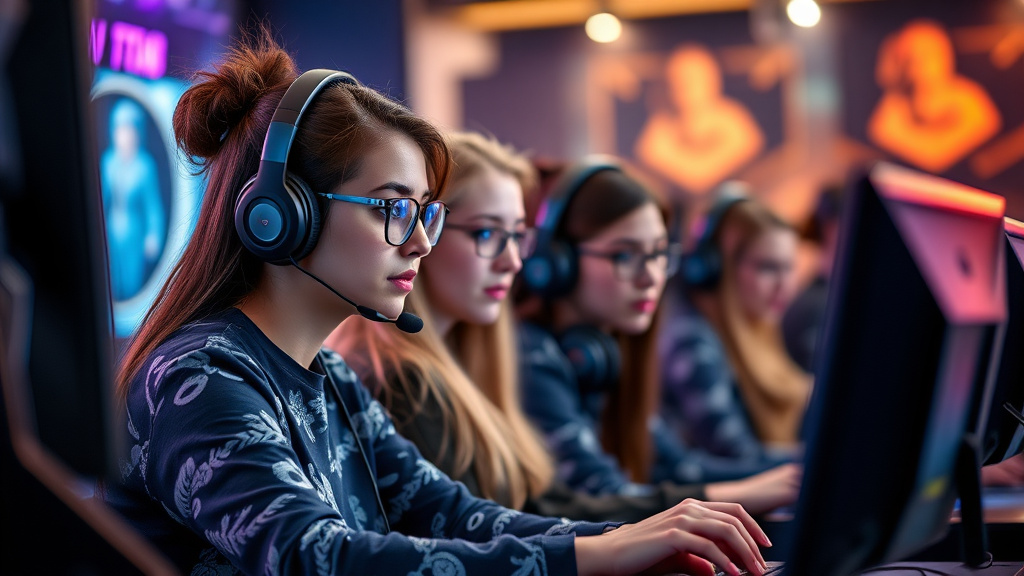
For many years, esports has been considered an male-dominated boys’ club, but a new generation of female gamers is shattering this antiquated stereotype. From professional League of Legends to competitive Counter-Strike tournaments, women are not only competing—they’re dominating. This article investigates how pioneering female players are breaking through the glass ceiling, pushing back against industry biases, landing sponsorships, and motivating millions of young girls to grab a controller and claim their deserved place in gaming’s largest platforms.
Emerging Leaders: Women Leaving Their Mark
The environment of competitive gaming is undergoing rapid change as skilled female athletes appear in various games and ranking brackets. Players like the Valorant star Jett and League of Legends rising stars have proven that skill and dedication transcend gender boundaries. These athletes are gaining acknowledgment through merit, securing spots on elite organizations, and competing against the world’s best players. Their achievements galvanize up-and-coming players while establishing that ability has no gender, fundamentally reshaping perceptions within the competitive gaming world and drawing major media coverage.
Sponsorship agreements and organizational resources have become increasingly accessible to accomplished female players, marking a substantial shift in industry investment strategies. Major brands recognize the commercial potential and genuine appeal of investing in women’s esports, leading to profitable collaborations and sponsorship opportunities. This financial backing enables female players to pursue gaming professionally without jeopardizing financial stability, a crucial factor in long-term career success. As companies support female talent, they concurrently establish women’s involvement in esports competition and create pathways for aspiring players to develop long-term careers.
Community involvement and community-driven programs have amplified the prominence of women in esports, fostering welcoming spaces for female players. Competition organizers now enthusiastically support women-focused tournaments and highlight female accomplishments across streaming platforms and online networks. Coaching initiatives and women-only esports teams offer essential community structures, promoting collaboration and knowledge-sharing. This growing movement shows that the future of esports relies on inclusivity, diversity, and recognizing talent regardless of gender identity.
Challenges and Hurdles
Despite their expanding presence, female esports players continue to face major challenges that their male counterparts seldom experience. Institutional bias, gender-based harassment, and disparate prize payouts remain prevalent throughout the industry. Many women report experiencing hostile digital spaces, with comments spanning dismissive remarks about their gaming abilities to outright hostility. Tournament organizers and game developers have been reluctant to implement comprehensive harassment prevention measures, leaving female competitors vulnerable. Additionally, the absence of female representation in coaching, management, and broadcasting positions perpetuates a culture where women feel like outsiders in their own competitive spaces.
Financial barriers further hinder the path for prospective women esports professionals. Sponsorship partnerships remain predominantly directed to male players, making it more difficult for women to access the resources required for training and competition. Teams often provide fewer resources to female rosters, citing smaller viewer bases—a vicious cycle that restricts exposure and growth. Educational institutions and youth programs also fall short in advancing esports among esports, creating a developmental gap that begins early. These linked obstacles demonstrate that overcoming structural barriers requires comprehensive transformation across different areas of the esports ecosystem.
Creating a More Inclusive Tomorrow
The esports industry finds itself at a critical crossroads where meaningful change is not merely possible but necessary. Game developers, organizations, and community figures are increasingly recognizing that diversity enhances competition and grows the market. By creating mentorship opportunities, organizing all-female events, and proactively seeking female talent, the industry can establish routes for female players seeking to advance. Funding of grassroots efforts and academic partnerships will nurture the next generation of champions while eliminating systemic barriers that have long hindered women’s participation and success.
- Establish targeted financial support for women’s esports growth programs
- Create coaching partnerships pairing seasoned female professionals with emerging talent
- Introduce anti-harassment policies with strict enforcement measures
- Expand media coverage and sponsorship opportunities for female competitors
- Promote community-level gaming initiatives targeting marginalized groups
The journey toward genuine inclusion in esports requires sustained commitment from all parties involved. As women competitors keep shattering records and defying norms, their achievements inspire for countless young women worldwide. The field’s transformation toward equality benefits everyone—creating vibrant communities, spurring creativity, and unlocking untapped talent pools. When esports genuinely embraces inclusion, it evolves from a limited entertainment market into a authentic global force that celebrates excellence beyond gender.
